
Study in United States
World's Leading Universities with Generous Merit-Based Scholarships
World's Leading Universities with Generous Merit-Based Scholarships
Home to the world's top universities and cutting-edge research
The United States remains the world's most popular destination for international students, hosting over 1 million students annually. With 17 universities in the global top 20 and unmatched resources for research and innovation, the USA offers unparalleled academic opportunities across all fields of study.
American universities are renowned for their flexible curriculum, state-of-the-art facilities, diverse campus communities, and strong connections with industry leaders. The emphasis on practical learning, research opportunities, and extracurricular activities creates a well-rounded educational experience that prepares students for global careers.
From Silicon Valley tech giants to Wall Street financial institutions, from Hollywood entertainment to leading healthcare organizations, the USA offers students exposure to industries at the forefront of global innovation. The practical, hands-on approach to education ensures graduates are job-ready and highly sought after by employers worldwide.
Multiple pathways to make American education affordable
Scholarships awarded based on outstanding academic performance, test scores, and achievements.
Financial assistance based on demonstrated financial need of student's family.
For talented athletes to compete in NCAA sports while studying.
US government scholarship for outstanding graduate students.
Study at world-renowned institutions
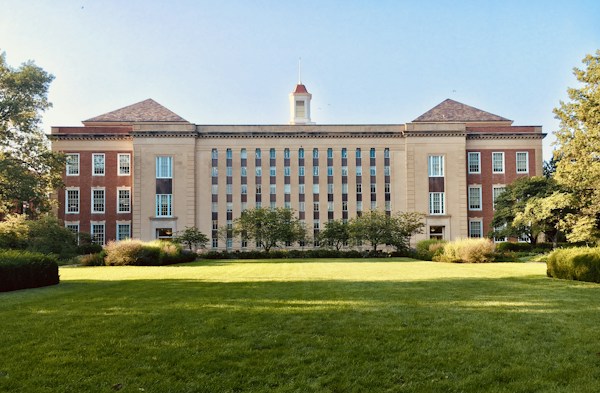
Cambridge, Massachusetts
QS Ranking: #1 Globally
Stanford, California
QS Ranking: #5 Globally
Cambridge, Massachusetts
QS Ranking: #4 Globally
Berkeley, California
QS Ranking: #27 Globally
Pittsburgh, Pennsylvania
Top CS & Engineering School
New York City, New York
QS Ranking: Top 50America leads in these academic disciplines
Software Engineering, AI, Machine Learning, Cybersecurity, Data Science - USA leads globally
$25,000-55,000/year
MBA, Finance, Marketing, Entrepreneurship, International Business - Top business schools
$30,000-70,000/year
Mechanical, Electrical, Civil, Aerospace, Biomedical, Chemical Engineering
$25,000-50,000/year
Medicine, Nursing, Public Health, Pharmacy, Dentistry, Health Administration
$30,000-65,000/year
Biology, Chemistry, Physics, Mathematics, Environmental Science, Biotechnology
$25,000-50,000/year
Film, Design, Music, Fine Arts, Media Studies, Journalism, Communications
$25,000-55,000/year
What you need to apply to US universities
Budget planning for international students
| Expense Category | Annual Cost (USD) | Notes |
|---|---|---|
| Tuition - Public Universities | $20,000 - $35,000 | State universities |
| Tuition - Private Universities | $35,000 - $55,000 | Top tier schools |
| Accommodation (on/off campus) | $10,000 - $15,000 | Varies by location |
| Food & Groceries | $3,000 - $5,000 | Meal plans available |
| Health Insurance (Mandatory) | $2,000 - $3,000 | Required by law |
| Books & Supplies | $1,000 - $2,000 | Per academic year |
| Transportation | $1,000 - $2,000 | Local travel |
| Personal Expenses | $2,000 - $3,000 | Entertainment, misc. |
| TOTAL ANNUAL COST | $39,000 - $65,000 | Before scholarships |
Why over 1 million students choose America
17 of top 20 global universities are in the USA. Access to Nobel laureates, cutting-edge research, and unlimited resources.
Work for 1 year after graduation (3 years for STEM). Gain US work experience and potentially transition to H1B visa.
Access to world-leading research facilities, Silicon Valley connections, and entrepreneurship opportunities.
Study alongside students from 190+ countries. Build global network and experience American culture.
Choose from thousands of courses, change majors easily, combine disciplines - maximum academic freedom.
US degree holders earn significantly more. Average starting salary $50,000-90,000 for STEM graduates.
Your roadmap to studying in America
Research programs, locations, costs, scholarship opportunities. Create list of 8-12 universities with mix of reach, match, and safety schools. Consider rankings, location, campus culture, career services.
Take SAT/ACT (undergrad) or GRE/GMAT (grad). Also prepare for TOEFL/IELTS. Book exams 3-6 months in advance. Aim for high scores to maximize scholarship chances.
Request recommendation letters from teachers/professors. Get official transcripts. Prepare resume highlighting achievements, leadership, extracurriculars. Start drafting essays.
Write compelling personal statement and supplemental essays. This is crucial for scholarships! Show your unique story, passions, goals. Get feedback from teachers/counselors. Revise multiple times.
Submit via Common App, Coalition App, or university portals. Pay application fees ($50-90 per school). Deadlines: Early Action/Decision (Nov 1), Regular Decision (Jan 1-15). Apply for scholarships simultaneously.
Universities send decisions and financial aid packages. Compare total costs after scholarships. Negotiate more aid if needed. Make final decision by May 1.
University sends I-20 form. Pay SEVIS fee ($350). Schedule visa interview at US Embassy. Prepare documents: I-20, financial proof, admission letter. Interview typically 4-6 weeks before departure.
Book flights, arrange accommodation (on-campus housing or apartments). Get health insurance, vaccinations. Attend pre-departure orientation. Pack essentials, arrange airport pickup.
Arrive 1-2 weeks before classes. Attend international student orientation. Open bank account, get phone plan, SSN (if working on campus). Explore campus, meet classmates, settle in.
Hear from students studying in America
Computer Science, Stanford University
"Received 60% merit scholarship from Stanford! The education quality, research opportunities, and Silicon Valley connections are unmatched. GLES guided me through every step."

MBA, NYU Stern School of Business
"Got 50% scholarship plus assistantship at NYU. The networking opportunities in New York City are incredible. Already have job offers from top firms!"

Mechanical Engineering, MIT
"MIT gave me need-based aid covering 75% of costs. Working with world-leading professors and latest technology. Best decision I ever made!"
Let our experts help you achieve your American Dream